

Verifying Medical Credentials and Specialization
Why Specialization Matters
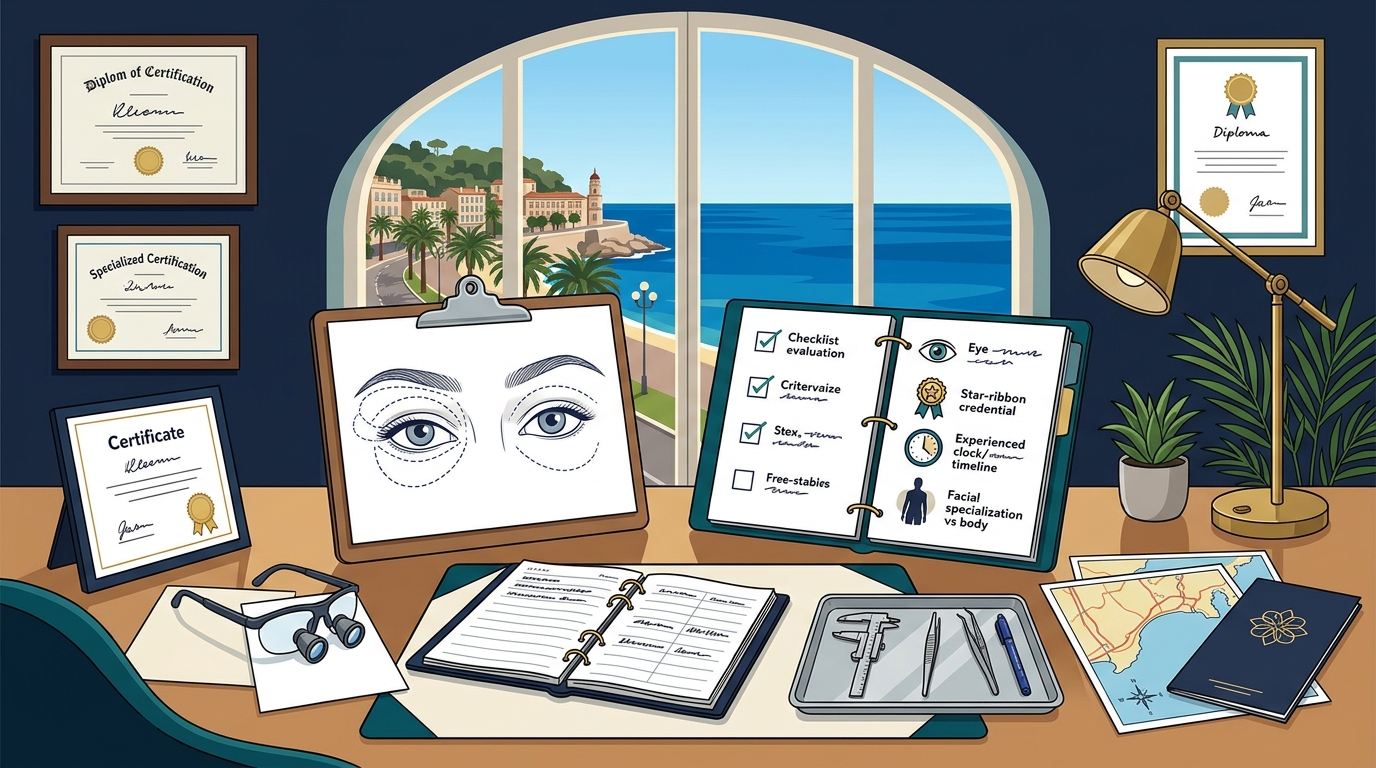
Blepharoplasty involves delicate structures around the eyes. A surgeon who specializes in facial aesthetics will have performed this procedure numerous times. Experience directly correlates with the ability to handle complex cases, such as ptosis or significant skin laxity. Look for a provider who focuses on facial procedures rather than general body surgery. This focus ensures a deeper understanding of the anatomical nuances required for safe and effective eye surgery.
Evaluating the Surgical Facility and Safety Standards
The location of the surgery is a critical safety factor. A certified medical clinic is a facility that meets strict hygiene, safety, and equipment standards set by health authorities. Operating in a private clinic rather than a home office ensures access to proper anesthesia monitoring and emergency equipment. The facility is located at 31 rue Meyerbeer, in the heart of Nice. This central location allows for easy access for patients traveling from other parts of France or abroad. Ensure the facility has a dedicated anesthesiologist present during the procedure.
Accreditation and Hygiene
Check if the clinic holds specific accreditations for surgical care. These accreditations verify that the facility follows best practices for infection control and patient safety. A reputable provider will be transparent about their facility's certifications. You can ask to see these documents during your consultation. The environment should feel clean, professional, and calm. This contributes to patient comfort before and after the procedure.
Assessing Surgical Philosophy and Communication
Communication is the cornerstone of a successful patient-provider relationship. A good surgeon is a professional who listens to patient concerns and explains realistic outcomes. During the initial consultation, the surgeon should assess your facial structure and discuss your goals. They should explain the different techniques available, such as upper, lower, or combined blepharoplasty. Avoid providers who promise specific, guaranteed results. Instead, look for a surgeon who discusses potential risks and limitations. The consultation should feel like a dialogue, not a sales pitch.
Understanding the Consultation Process
The initial consultation is your opportunity to evaluate the surgeon's approach. Ask how they plan to address your specific concerns. A thorough surgeon will take detailed measurements and photographs. They will explain the anesthesia options and the expected recovery timeline. You should feel comfortable asking questions about their experience with similar cases. If a provider rushes the consultation or avoids answering questions, consider looking elsewhere. Clear communication builds trust and sets realistic expectations.
Reviewing Post-Operative Care and Follow-Up
Recovery Timeline and Support
Key Takeaways
- Verify that the surgeon holds a specific diploma in plastic, reconstructive, and aesthetic surgery.
- Ensure the surgery is performed in a certified medical facility with proper safety standards.
- Look for a surgeon who emphasizes natural results and transparent communication.
- Assess the provider's approach to post-operative care and follow-up appointments.
- Choose a provider who listens to your concerns and explains realistic outcomes.
- Confirm the facility's location and accessibility, especially if traveling to Nice.
Frequently Asked Questions
What qualifications should a blepharoplasty surgeon have in France?
In France, a plastic surgeon must hold a specific diploma (DESC) in plastic, reconstructive, and aesthetic surgery. This qualification ensures they have completed specialized training beyond general medical school. You should verify this credential before booking a consultation. General practitioners cannot perform this type of surgery.
Is blepharoplasty performed in a hospital or a private clinic?
Blepharoplasty can be performed in either a hospital or a certified private clinic. In Nice, many patients choose private clinics for their convenience and personalized care. The key is that the facility must meet strict safety and hygiene standards.
How long does recovery from blepharoplasty take?
Initial swelling and bruising typically last one to two weeks. Most patients can return to work within ten to fourteen days. Final results may take several months to fully settle as swelling subsides. Your surgeon will provide a detailed recovery timeline during your consultation.
Can I see before and after photos of previous patients?
Many surgeons provide a gallery of previous cases to help you understand potential outcomes. However, results vary from person to person based on anatomy and healing. You should view these photos as examples, not guarantees. A reputable surgeon will discuss your unique facial structure during the consultation.
What is the role of the anesthesiologist in blepharoplasty?
The anesthesiologist manages your pain and consciousness during the procedure. They monitor your vital signs to ensure safety. Blepharoplasty can be performed under local anesthesia with sedation or general anesthesia. The choice depends on the extent of the surgery and your medical history. A dedicated anesthesiologist should be present throughout the procedure. Learn more about aesthetic surgery on the Clinique de la Riviera website.