
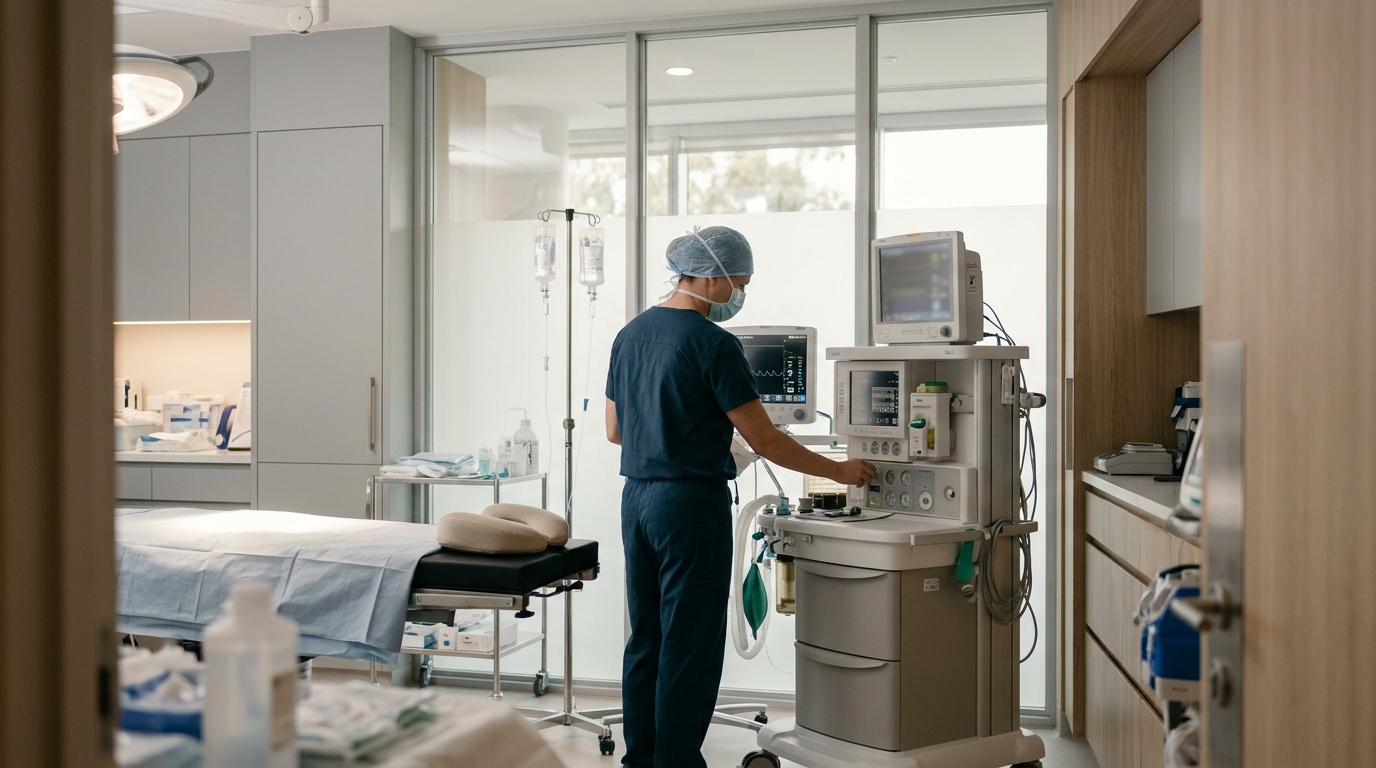
General Anesthesia: The Standard for Comfort
General anesthesia is a state of controlled unconsciousness where the patient feels no pain and has no memory of the procedure. It is the most common choice for extensive facelifts, particularly those involving neck lifts or significant tissue repositioning. The primary advantage is total comfort; the patient sleeps through the entire operation. However, it requires a pre-anesthetic evaluation to ensure the patient can safely tolerate the induction and recovery phases.
Recovery Considerations
Recovery from general anesthesia typically involves a period of grogginess and nausea for several hours. Patients must arrange for transportation home and a companion to stay overnight. The metabolic impact of general anesthesia can also slow down the initial healing process slightly compared to local techniques, though this difference is often minimal in healthy adults.
Local Anesthesia with Sedation: A Balanced Approach
Local anesthesia with sedation, often called twilight anesthesia, combines nerve blocks with intravenous sedatives. This method keeps the patient awake but deeply relaxed and drowsy. It is frequently used for less invasive facelifts or mini-facelifts. The comfort level is high because the sedation reduces anxiety, while the local blocks eliminate pain. Patients often report feeling calm and detached from the procedure.
Advantages for Shorter Procedures
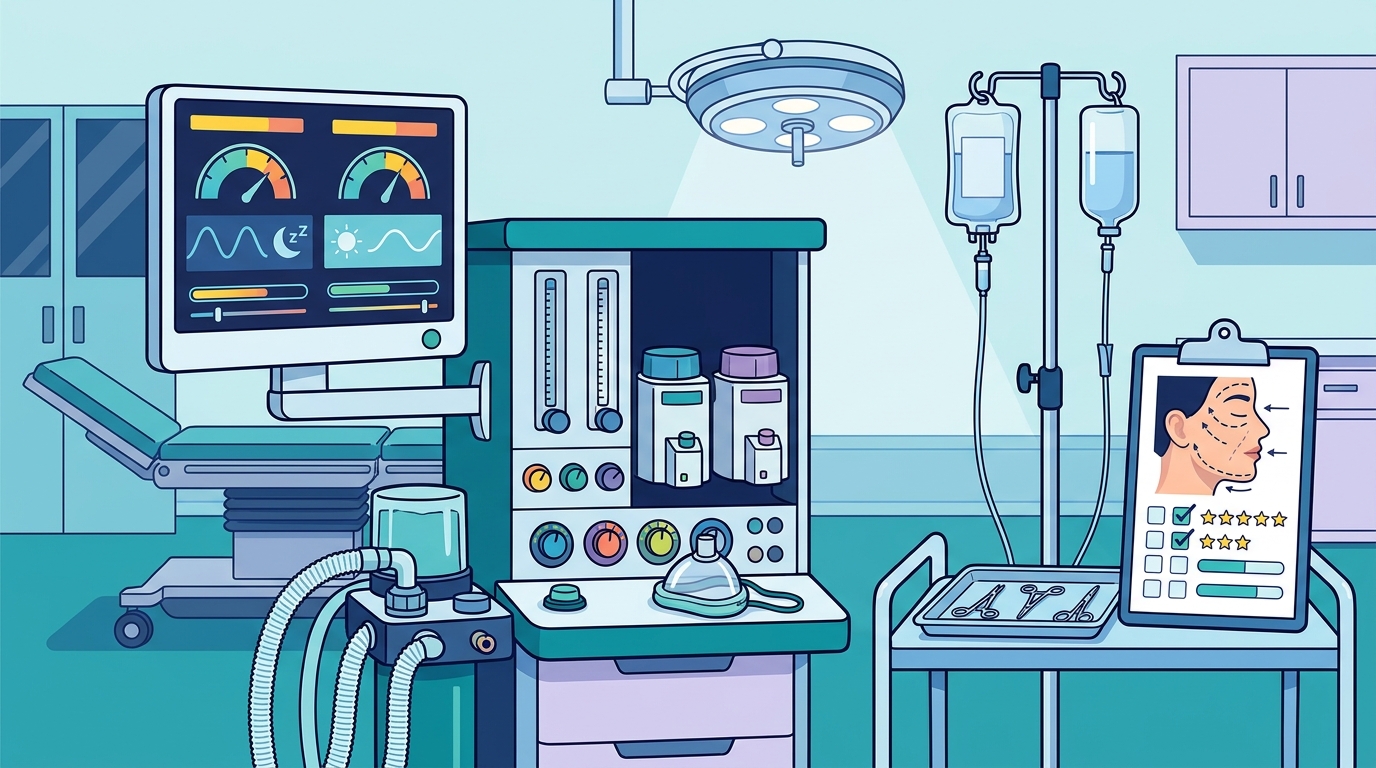
Local Anesthesia Alone: Precision and Control
Local anesthesia alone involves injecting anesthetic agents into the facial tissues to numb the area completely. The patient remains fully awake and alert. This method is typically reserved for very limited procedures, such as small skin excisions or minor contouring adjustments. While it avoids the systemic effects of sedatives, it requires a high level of patient cooperation and tolerance. The comfort level is subjective; some patients find the sensation of the injection and the awareness of the procedure stressful.
Who Is a Candidate?
Candidates for local anesthesia alone are usually those with specific medical contraindications to sedation or general anesthesia. It is also chosen by patients who prefer to remain in full control of their surroundings. However, for a standard facelift, this method is less common due to the duration and complexity of the surgery.
Comparing Comfort and Recovery Profiles
Recovery Timeline Differences
Patients under general anesthesia may feel disoriented for 2 to 4 hours. Those under sedation may feel groggy for 1 to 2 hours. Patients under local anesthesia alone are usually alert immediately after the procedure. The choice of anesthesia does not significantly alter the long-term healing of the facial tissues, but it does impact the immediate post-operative experience.
Choosing the Right Option at Clinique de la Riviera
At Clinique de la Riviera, the decision on anesthesia is made during the pre-operative consultation. The surgeon evaluates the patient's medical history, the extent of the planned surgery, and the patient's personal preferences. Safety is the priority, and the anesthesiologist works closely with the surgical team to tailor the plan. This personalized approach ensures that the patient feels secure and informed before the procedure begins.
Pre-Operative Preparation
Regardless of the anesthesia type, preparation is key. Patients must follow fasting guidelines if general anesthesia or sedation is planned. They should also arrange for post-operative care, including a quiet environment and assistance with daily tasks. The clinic provides detailed instructions to help patients prepare for a smooth recovery.
Key Takeaways
- General anesthesia provides total unconsciousness and is standard for extensive facelifts.
- Local anesthesia alone is for minor procedures and requires high patient tolerance.
- Recovery from general anesthesia is slower than from local techniques.
- The choice of anesthesia is individualized based on medical health and surgical scope.
- Clinique de la Riviera prioritizes safety and patient comfort in anesthesia planning.
Frequently Asked Questions
Is a facelift painful during the procedure?
No, the procedure is not painful because anesthesia blocks pain signals. Under general anesthesia, you are unconscious. Under local techniques, the area is numbed, and sedation may be used to reduce anxiety.
Which anesthesia is safer for older patients?
Safety depends on individual health factors. General anesthesia is widely used and safe for many older adults, but local with sedation may be preferred if there are specific respiratory or cardiac concerns. The anesthesiologist determines the safest option.
How long does the anesthesia last?
General anesthesia lasts for the duration of the surgery and wears off within hours. Local anesthetics typically last for several hours, providing post-operative pain relief. Sedatives wear off relatively quickly after the procedure ends.
Can I choose my anesthesia type?
You can express your preference, but the final decision is made by the medical team based on safety and surgical requirements. The surgeon will recommend the most appropriate option for your specific case.
What are the side effects of general anesthesia?
Does anesthesia affect the results of the facelift?
No, the type of anesthesia does not affect the aesthetic outcome. The surgical technique and healing process determine the results. Anesthesia is solely for patient comfort and safety during the operation. Learn more: Checking your browser.